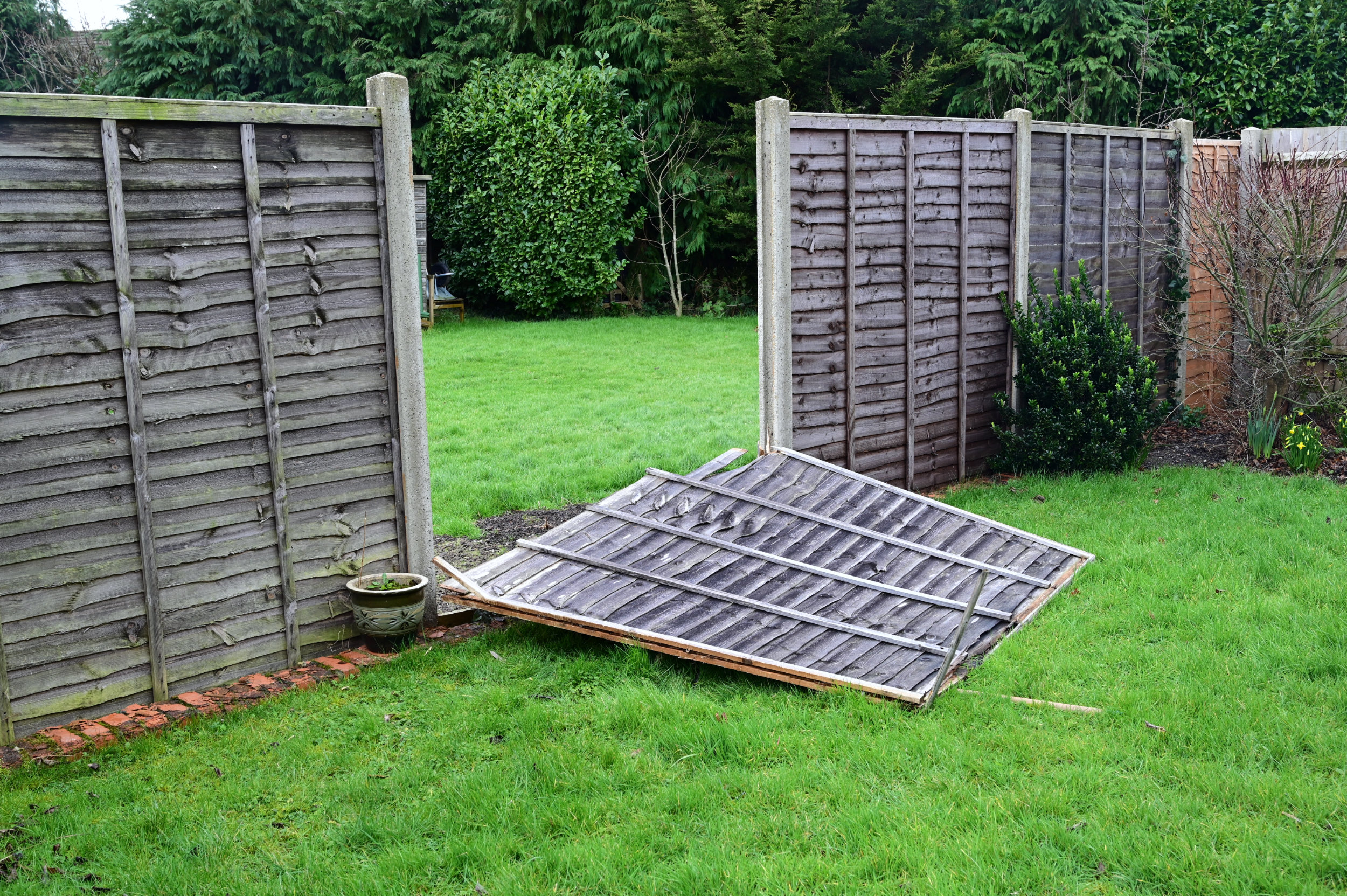


Ah, the joys of British weather. One minute you’re admiring your neatly painted fence, the next you’re watching it lean precariously after a battering from a storm like Eunice. We’ve all been there, especially those of us who felt the full force of the recent high winds. But fear not! Keeping your fence posts upright in the face of the UK’s unpredictable climate is achievable with a bit of know-how and some preventative measures.
Eunice: A Stark Reminder
Storm Eunice, with its record-breaking wind speeds, served as a brutal reminder of the power of nature. Many homeowners across the UK woke to scenes of fallen trees, damaged roofs, and, of course, leaning or completely toppled fence posts. The sheer force of the wind exposed weaknesses in existing installations and highlighted the importance of robust construction.
Why Do Fence Posts Fail in Storms?
Before we dive into solutions, let’s understand the culprits:
- Rotting Wood: Damp British weather can lead to rot, especially at ground level. This weakens the post significantly.
- Poor Installation: Shallow post holes, inadequate concrete, or incorrect post spacing can all contribute to instability.
- Soil Type: Loose or sandy soil offers less support than clay or compacted earth.
- Wind Load: High fences act as sails, catching the wind and putting immense pressure on the posts.
- Age: Time takes its toll. Older fences are naturally more susceptible to damage.
Tips for a Storm-Proof Fence:
- Choose the Right Wood:
- Opt for pressure-treated timber, which is more resistant to rot.
- Hardwoods like oak are naturally durable, but more expensive.
- Softwoods like pine, if treated, can also offer good longevity.
- Dig Deep and Wide:
- The depth of the post hole is crucial. Aim for at least one-third of the post’s length below ground.
- A wider hole provides more space for concrete and stability.
- For a standard 6 foot fence, a hole of 2 feet deep, and 10 inches wide is a good starting point. Adjust based on your soil type.
- Use Quality Concrete:
- Surround the post with a good quality post mix concrete.
- Ensure the concrete fills the hole completely and is compacted around the post.
- Slightly doming the concrete at the top, will allow water to run off, and prevent pooling around the base of the post.
- Consider Post Spacers:
- Using metal post spacers or shoes can prevent direct contact between the wood and the ground, further reducing rot.
- Bracing and Support:
- For high fences or exposed locations, consider adding bracing or support posts at strategic points.
- Diagonal bracing can significantly increase stability.
- Adding a gravel board at the bottom of the fence will also add strength and prevent the fence from rotting due to ground contact.
- Regular Maintenance:
- Inspect your fence regularly for signs of rot or damage.
- Treat any exposed wood with a preservative.
- Tighten any loose screws or nails.
- Clear any debris that builds up against the fence, such as leaves, as this can hold moisture.
- Reduce Wind Load:
- Consider a fence design with gaps or slats to allow wind to pass through.
- Reduce the height of your fence if possible, especially in exposed areas.
- Plant wind breaking hedges or trees, at a distance from the fence, to reduce the direct force of the wind.
- Soil Considerations:
- If your soil is very loose, consider compacting it before setting the post.
- For very sandy soil, a wider hole and extra concrete will be beneficial.
After the Storm:
- If your fence has been damaged, don’t delay repairs. The longer you wait, the more likely the damage will worsen.
- Carefully inspect all posts for rot or cracks.
- If a post has snapped, replace it with a new one, following the installation tips above.
- If a post is leaning, but not broken, it may be possible to straighten it and add additional support.
By taking these steps, you can significantly increase the chances of your fence surviving even the most severe British storms. Remember, prevention is key. A well-constructed and maintained fence will stand the test of time and weather, giving you peace of mind during those blustery UK days.